
Understanding Hair Loss
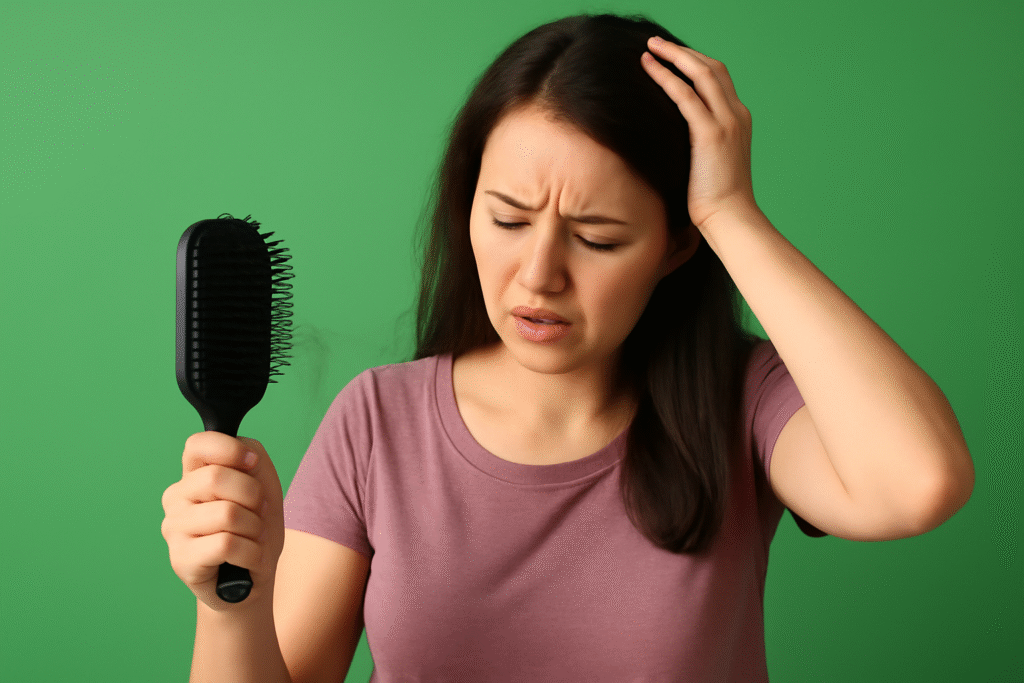
Hair loss is a common concern that affects individuals across the globe. While it’s natural to shed some hair daily, excessive hair fall can be distressing. Understanding the causes and exploring effective remedies can help in managing and promoting healthy hair growth.
Genetic Factors
Genetic predisposition plays a significant role in hair loss. Conditions like androgenetic alopecia, commonly known as male or female pattern baldness, are hereditary and can lead to gradual thinning of hair over time.
Hormonal Changes
Hormonal fluctuations due to pregnancy, childbirth, menopause, or thyroid imbalances can trigger hair loss. These changes can disrupt the hair growth cycle, leading to shedding and thinning.
Medical Conditions
Certain medical conditions, such as alopecia areata, scalp infections, and autoimmune diseases, can cause hair loss. These conditions may result in patchy or widespread hair thinning.
Medications and Treatments
Medications used for conditions like cancer, arthritis, depression, and high blood pressure can have side effects that include hair loss. Chemotherapy and radiation therapy are particularly known for causing significant hair shedding.
Nutritional Deficiencies
Lack of essential nutrients like iron, protein, and vitamins can weaken hair follicles, leading to hair fall. A balanced diet is crucial for maintaining healthy hair.
Stress and Lifestyle Factors
Chronic stress, poor sleep, smoking, and exposure to harsh hair treatments can contribute to hair loss. Managing stress and adopting a healthy lifestyle can help mitigate these effects.
Effective Remedies for Hair Loss
Balanced Diet
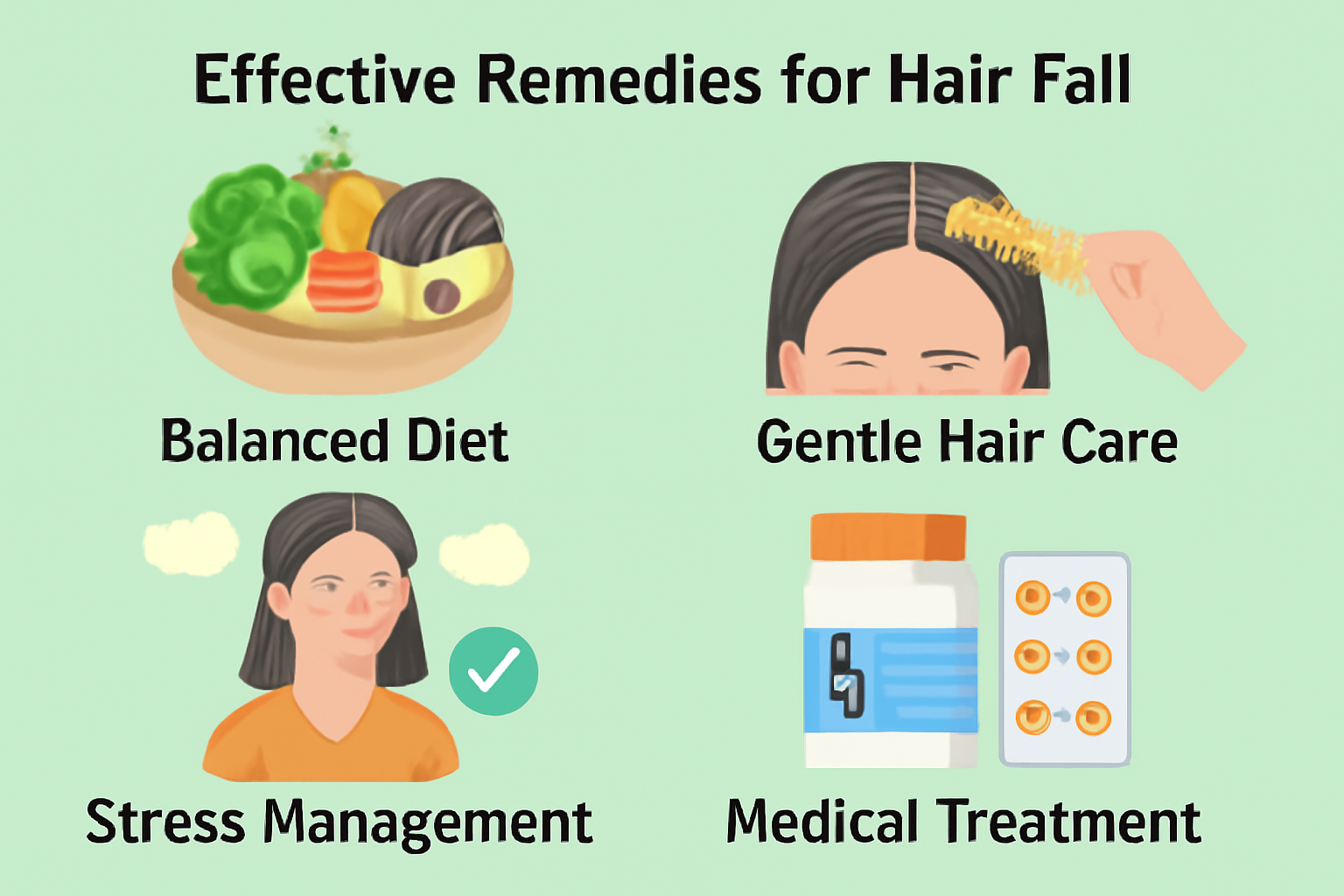
Consuming a diet rich in vitamins and minerals is vital for hair health. Foods like leafy greens, nuts, seeds, eggs, and fish provide essential nutrients that support hair growth.
Gentle Hair Care Practices
Avoiding tight hairstyles, minimizing the use of heat styling tools, and choosing mild hair care products can prevent hair damage and breakage.
Scalp Care
Regular scalp massages with natural oils like coconut or olive oil can improve blood circulation to hair follicles, promoting hair growth.
Stress Management
Engaging in activities like yoga, meditation, and regular exercise can reduce stress levels, which in turn can prevent stress-induced hair loss.
Medical Treatments
Over-the-counter treatments like minoxidil have been shown to promote hair regrowth in some individuals. Consulting a healthcare provider can help determine the most suitable treatment.
Ayurvedic Approaches to Hair Health
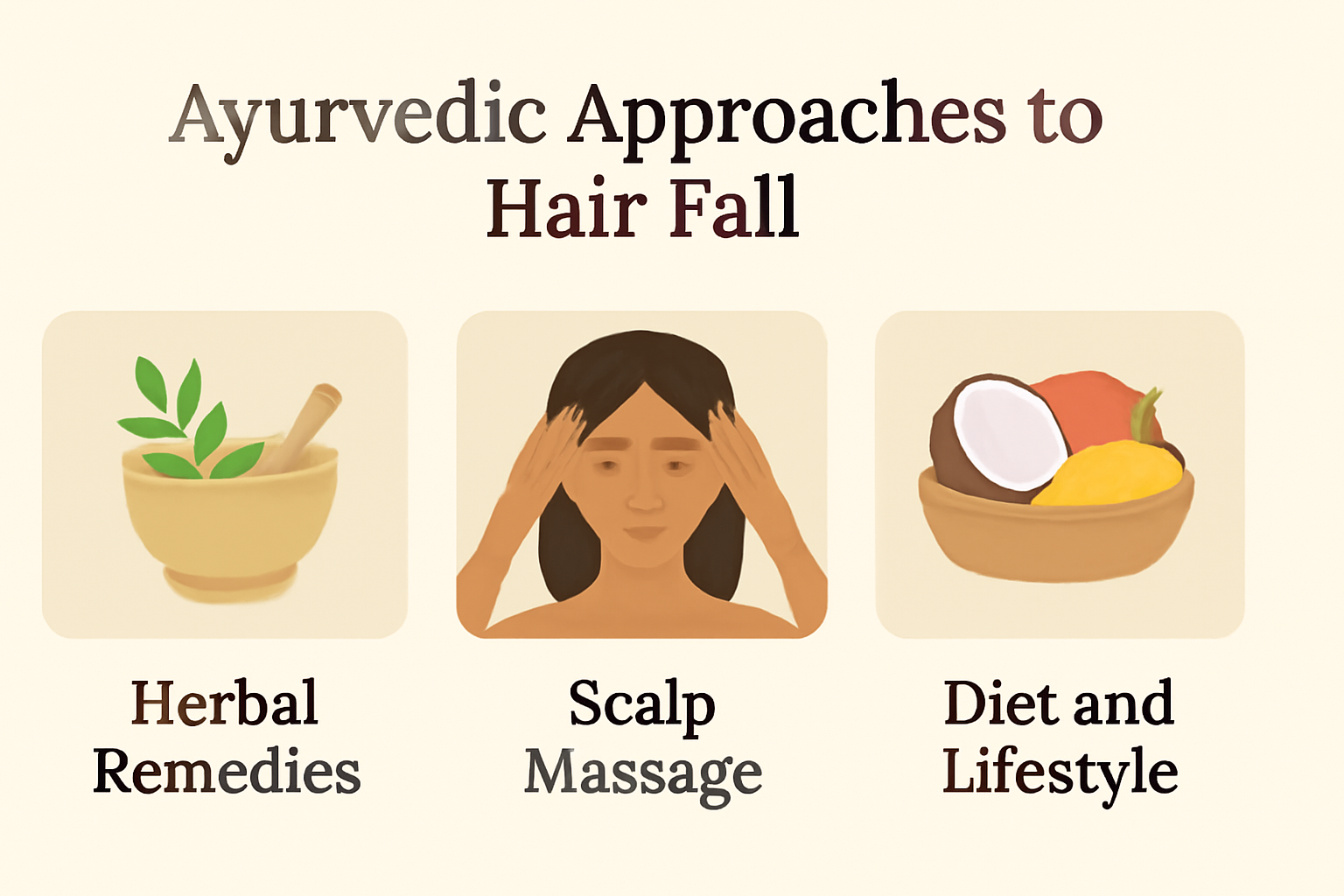
Ayurveda, the ancient Indian system of medicine, offers natural remedies to promote healthy hair. Ayurvedic treatments focus on balancing the body’s doshas (Vata, Pitta, and Kapha) to maintain overall health, including hair health.
Bhringraj (Eclipta alba)
Known as the “King of Hair,” Bhringraj is believed to stimulate hair follicles and promote hair growth. It is commonly used in Ayurvedic hair oils and treatments.
Amla (Indian Gooseberry)
Rich in vitamin C and antioxidants, Amla is used to strengthen hair and prevent premature graying. It can be consumed raw, in juice form, or applied topically as a hair mask.
Brahmi (Bacopa monnieri)
Brahmi is thought to improve blood circulation to the scalp and reduce stress, which can contribute to hair loss. It is often used in Ayurvedic hair oils and supplements.
Fenugreek (Methi)
Fenugreek seeds are rich in proteins and nicotinic acid, which are beneficial for hair growth. They can be soaked overnight, ground into a paste, and applied to the scalp.
Shikakai (Acacia concinna)
Shikakai is used as a natural cleanser for the scalp and is believed to promote hair growth. It can be used as a shampoo or in hair masks.
Neem (Azadirachta indica)
Neem possesses antibacterial and antifungal properties that help keep the scalp healthy, reduce dandruff, and control hair fall.
Ashwagandha (Withania somnifera)
Ashwagandha is known for its stress-relieving properties. Reducing stress can help prevent hair loss associated with stress.
Lifestyle Tips for Healthy Hair
Adequate Sleep
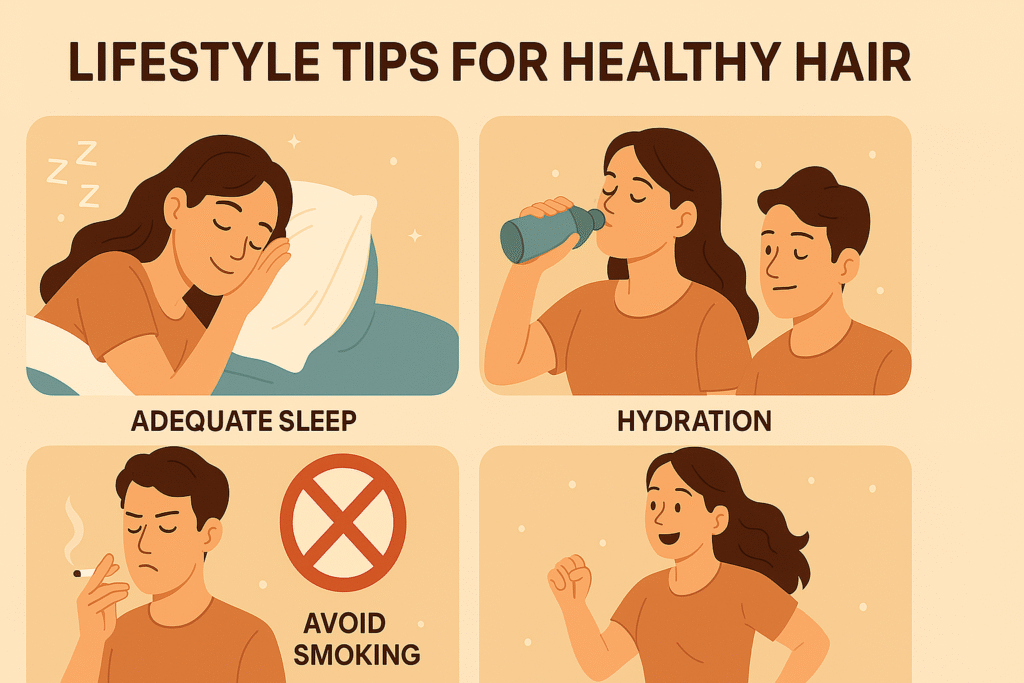
Ensuring you get enough sleep allows your body to repair and regenerate, promoting healthy hair growth.
Hydration
Drinking plenty of water keeps your hair and scalp hydrated, preventing dryness and brittleness.
Avoid Smoking
Smoking restricts blood flow to the scalp, leading to hair loss. Quitting smoking can improve hair health.
Regular Exercise
Engaging in regular physical activity improves overall health and enhances blood circulation to the scalp, promoting hair growth.
Conclusion
While some degree of hair loss is natural, excessive shedding can be managed with the right approach. By understanding the causes and adopting effective remedies, including a balanced diet, gentle hair care practices, stress management, and exploring Ayurvedic remedies, you can promote healthy hair growth. Remember, consistency is key, and it’s always advisable to consult with a healthcare professional before starting any new treatment.