
We all know that taking care of ourselves is essential, but with so much information out there, it’s easy to feel overwhelmed. Whether it’s ancient wisdom or modern science, daily care is about maintaining a balance for your body, mind, and spirit. In this blog, we’ll dive into some simple yet effective practices you can incorporate into your everyday routine, drawn from Yoga, Ayurveda, modern science, and holistic methods.
Start Your Day Right: Yoga for Daily Care
If you haven’t yet made Yoga a part of your morning routine, you’re missing out. It’s more than just stretching—it’s a holistic way to start the day with clarity and balance. Yoga offers numerous benefits, both physical and mental, and can be done in as little as 15–20 minutes to kickstart your day.
Start with gentle stretches to get the blood flowing and awaken your muscles. Poses like Tadasana (Mountain Pose) and Utkatasana (Chair Pose) are great for warming up your body. These poses not only improve flexibility but also activate your muscles, setting the tone for a productive day ahead.
One of the most valuable parts of yoga is Pranayama (breathing exercises). Focusing on your breath through exercises like Anulom Vilom (alternate nostril breathing) can help calm the mind, reduce stress, and increase oxygen flow to the brain. This is especially helpful if you’re someone who deals with a lot of anxiety or mental clutter.

Yoga isn’t just about physical flexibility; it’s also about mental clarity. Simple poses like Savasana (Corpse Pose) can help you relax and center your mind, setting a peaceful tone for the rest of the day. So, if you’re looking for a way to not only stay fit but also cultivate a calm, focused mind, yoga is the way to go.
Ayurveda’s Secrets for Daily Care
When it comes to daily care, Ayurveda—the ancient science of life—offers wisdom that goes back thousands of years. The idea behind Ayurveda is simple: balance your body, mind, and spirit to achieve optimal health. Here are a few Ayurvedic practices you can adopt in your daily routine:
1. Morning Rituals (Dinacharya)
In Ayurveda, the way you start your morning matters. Begin with oil pulling—a practice where you swish oil (like coconut or sesame) in your mouth for about 10 minutes. This helps detoxify the body and supports oral health by removing bacteria and toxins.
Next, tongue scraping is another Ayurvedic practice that is essential for removing built-up toxins, or ama, from the body. It’s a simple and effective way to kickstart your digestion.
Hydrating first thing is also important in Ayurveda. Drink a glass of warm water with either lemon or a slice of ginger. This helps improve digestion and balances your body’s internal heat.
2. Ayurvedic Diet: Eating for Balance
What you eat plays a big role in Ayurveda. The focus is on fresh, seasonal foods that are in line with your body’s dosha (body constitution). For example, if you’re a Vata type (creative, energetic), you may benefit from warm, grounding foods like soups and stews. On the other hand, if you’re a Pitta type (intense, ambitious), cooling foods like cucumber and coconut are ideal to balance your fiery energy.
A balanced Ayurvedic diet includes wholesome meals, rich in fiber, healthy fats, and antioxidants. Foods like turmeric, ginger, and garlic are commonly used for their anti-inflammatory and immune-boosting properties.
3. Herbal Remedies
Ayurveda is rich in herbal remedies that can support your daily care. Take Ashwagandha, for example. It’s known to help reduce stress and support adrenal health. If you’re feeling low energy or fatigued, Ginseng and Brahmi can be wonderful adaptogens to give you a natural energy boost.
Also, Triphala, an ancient Ayurvedic herbal remedy, is great for digestive health. It supports the body’s natural detox processes and helps maintain healthy gut flora. Adding these herbs to your routine can help you maintain balance and promote overall well-being.

4. Abhyanga: Self-Massage for Stress Relief
Abhyanga is an Ayurvedic self-massage using warm, nourishing oil. This practice isn’t just about relaxation; it also stimulates the lymphatic system, improves circulation, and promotes detoxification. Choose oils based on your dosha—for example, sesame oil for Vata, coconut oil for Pitta, and mustard oil for Kapha.
Massaging the body with warm oil before a shower can leave you feeling more grounded, relaxed, and rejuvenated. It’s one of those simple yet powerful Ayurvedic practices that can be integrated into any busy schedule.
Modern Science: Evidence-Based Approaches to Daily Care
While ancient practices like Yoga and Ayurveda are amazing, modern science also brings valuable insights into daily care. These scientifically-backed practices are key for maintaining a healthy lifestyle in today’s fast-paced world.
1. Stay Hydrated
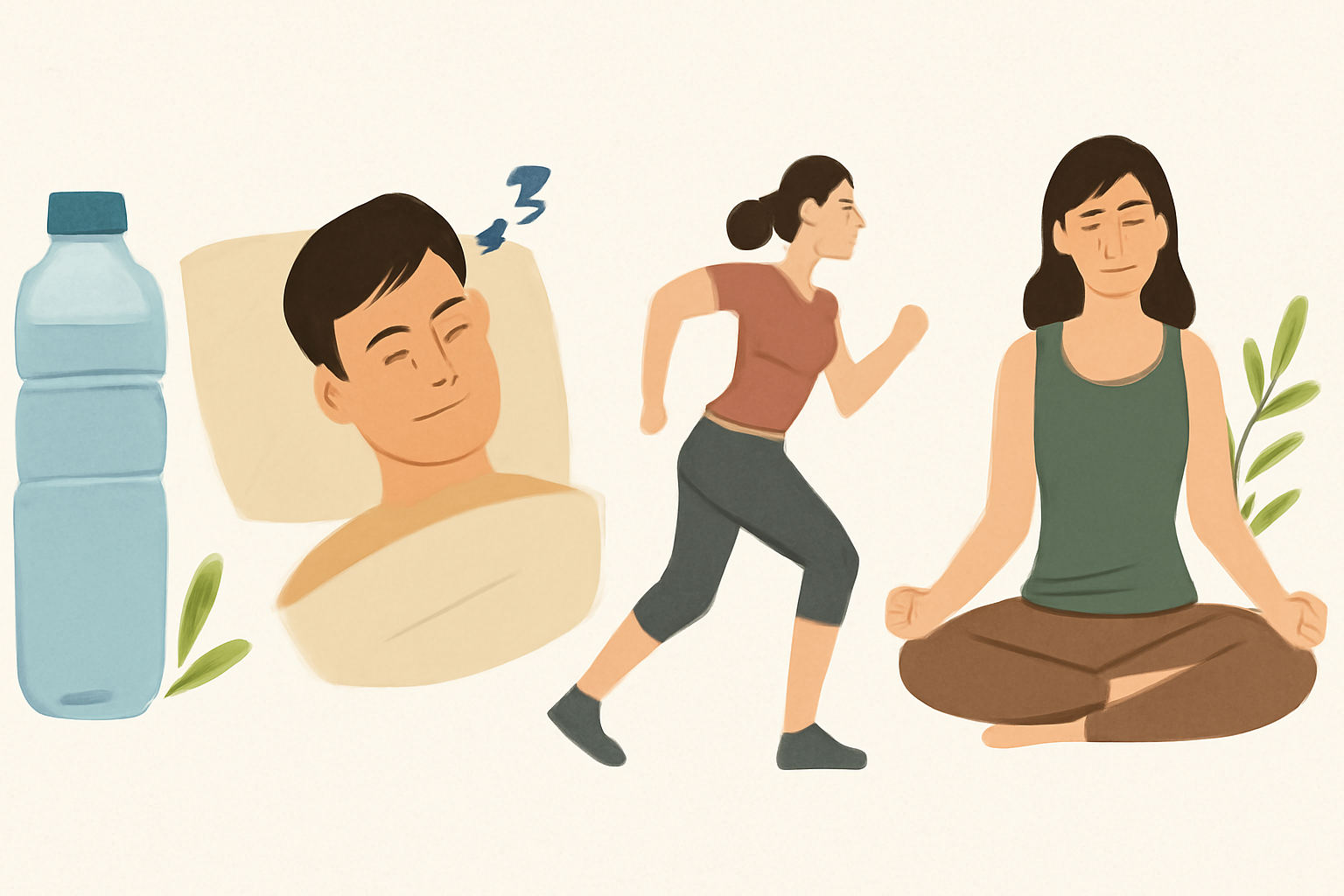
We’ve all heard it before: drink more water. Hydration is essential for every part of our body, from brain function to skin health. Modern science recommends aiming for 8-10 cups of water a day, but if you’re working out or live in a hot climate, you might need more. The simple act of drinking water regularly can improve digestion, boost your energy levels, and even help with weight management.
2. The Importance of Sleep
Good sleep is crucial to mental and physical well-being. Modern research shows that getting 7-9 hours of quality sleep is vital for memory, emotional regulation, and overall health. Set a consistent sleep schedule and create a relaxing pre-sleep routine. Avoid screens, make your bedroom dark, and try relaxing activities like reading or meditation to promote restful sleep.
3. Regular Exercise
Exercise is one of the most important factors in staying healthy. Whether it’s strength training, cardio, or simply walking, physical activity helps keep your body in optimal condition. It boosts your immune system, supports heart health, and enhances mental clarity. Aim to move your body every day, even if it’s just a quick walk around the block or a 15-minute home workout.
4. Mindfulness and Stress Management
In today’s world, stress is inevitable, but how we deal with it matters. Practices like mindfulness, journaling, and deep breathing have been scientifically proven to reduce cortisol levels and enhance emotional well-being. Taking just 5–10 minutes daily for deep breathing exercises or a brief meditation session can help you manage stress and improve focus.
5. Detoxing
Incorporating simple detox practices into your routine can help cleanse your body. Consider drinking green tea or lemon water in the morning, or try an intermittent fasting routine to give your digestive system a break. These methods can support the body’s natural detoxification processes and promote overall health.
Conclusion: Finding Balance in Your Daily Routine
Daily care isn’t a one-size-fits-all approach. Whether you choose to practice Yoga, follow Ayurvedic rituals, rely on modern science,, the key is to find balance and integrate these practices into your routine in a way that works for you.
By prioritizing small, consistent actions—like starting your day with yoga, hydrating properly, eating wholesome foods, managing stress, and getting quality sleep—you’ll begin to see the benefits in both your physical health and mental well-being. Remember, your body is your temple, and taking care of it should be a daily, mindful practice.
So, what will you add to your daily care routine today?